

Voter ID
Requiring voters to prove they are who they say they are in order to cast a ballot is a simple, common-sense measure that helps ensure honest elections.
Opponents of photo ID falsely charge that such requirements discriminate against poor and minority voters. Each time this claim has been used in the courts, plaintiffs have failed to produce evidence of any individual who was actually denied the right to vote for lack of a photo ID. Despite this fact, and that all demographic groups including African-Americans support voter ID laws, accusations of Jim Crow, the racist system that disenfranchised Southern blacks for generations, continue to be hurled with abandon.
The Supreme Court has stated that because voter ID is free, the inconveniences of going to the Bureau of Motor Vehicles, gathering applicable documents, or posing for a photograph are not substantial burdens on most voters’ right to vote. Nor do they represent a significant increase over the usual burdens of voting — registering or driving to a polling place. If people show up without an ID, they can cast a provisional ballot and bring in their ID later.
The Supreme Court found that the interests in requiring voter ID are unquestionably relevant in protecting the integrity and reliability of the electoral process as part of a nationwide effort to improve and modernize election procedures criticized as antiquated and inefficient.
In Crawford v. Marion County Election Board (2008), the Supreme Court also noted the particular interest in preventing voter fraud in response to the problem of voter registration rolls with a large number of names of persons who are either deceased or no longer live in Indiana. While the trial record contained no evidence that “in-person voter impersonation at polling places had actually occurred in Indiana, such fraud had occurred in other parts of the country, and Indiana’s own experience with voter fraud in a 2003 mayoral primary demonstrates a real risk that voter fraud could affect a close election’s outcome.”
The Supreme Court noted that there was no question that the state had a legitimate and important interest in counting only eligible voters’ ballots. Lastly the Court noted that the state interest in protecting public confidence in elections also has independent importance because such voter confidence encourages citizen participation in the democratic process.
Using a photo ID for voting is a central recommendation from the bipartisan Commission on Federal Election Reform, headed by former President Jimmy Carter and former Secretary of State James Baker. Here’s what the commission’s official report says:
“A good registration list will ensure that citizens are only registered in one place, but election officials still need to make sure that the person arriving at a polling site is the same one that is named on the registration list. In the old days and in small towns where everyone knows each other, voters did not need to identify themselves. But in the United States, where 40 million people move each year, and in urban areas where some people do not even know the people living in their own apartment building let alone their precinct, some form of identification is needed.”
“The electoral system cannot inspire public confidence if no safeguards exist to deter or detect fraud or to confirm the identity of voters. Photo IDs currently are needed to board a plane, enter federal buildings, and cash a check. Voting is equally important.”
ACRU Commentary

Texas’ Voter ID Law Is Back in Force. Here’s Why That’s Such a Big Deal
This means that the voter ID law will be in effect for state elections in November.
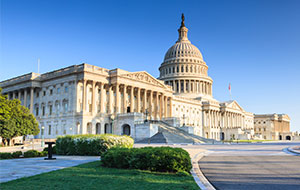
What Have Liberals Got to Hide?
So, Democrats would shut down Congress to keep a blue-ribbon panel from studying our election process?

Michael Moore: Trump Will Be Re-Elected Unless National Popular Vote Initiative Kills Electoral College
If the popular vote system had been in place in 2016, Hillary Clinton would have been elected.

Spewing Outrage at Voter Fraud Commission, Judge and Media Miss Facts
"The existence of the 2-year-old database has hardly been a secret."

Ohio Wants to Clean Up Its Voter Rolls. Why Are Democrats So Up in Arms?
The Justice Department is now siding with Ohio in its legitimate efforts to clean up its voter rolls.

A Biased Judge Tosses a Texas Voter ID Law, Again
Throwing out the entire law, Ramos blatantly ignored the 5th Circuit’s directive.
News

Left Lies About Voter ID Laws
9/7: A new survey from the National Bureau of Economic Research has proven the Left's claims about voter ID laws are false.

Attorney General Candidate Proposes Automatic Voter Registration in Montana
9/6: Democratic attorney general candidate Raph Graybill has promised that if elected he will push for an automatic voter registration program in Montana.

New Jersey Ex-Mayor’s Fraud Case Postponed
9/5: Former Elmwood Park Mayor Francesco Caramagna's vote fraud trial was postponed, leaving the Elmwood Park mayoral race candidates in flux.

Texans Want Strong Voter ID Laws
9/4: A nonpartisan Texas Lyceum poll revealed that Texans are in favor of strong voter ID laws and increasing ballot access for legal voters.

Colorado Voters Will Decide on National Popular Vote Compact
9/3: Colorado citizens will get a chance to vote on whether the state should exit from the National Popular Vote Interstate Compact.

Alabama Mayoral Race Under Scrutiny After Fraud Allegations in Runoff
9/2: Alabama Secretary of State John H. Merrill said his office would be keeping a close eye on the Montgomery mayoral race after receiving 12 voter fraud allegations regarding the mayoral runoff.